TL;DR
- If you sleep hot, the fabric against your skin matters more than the air conditioner. Look for sheets that are breathable and moisture-wicking, not heavy or synthetic.
- Bamboo viscose is naturally breathable, moisture-wicking and temperature-regulating, so it moves heat and sweat away instead of trapping them — cool in summer, cosy in winter.
- It also feels light and silky and is naturally hypoallergenic, which helps if warmth leaves your skin itchy.
- Pair a breathable sheet set with a lighter quilt and bamboo pillowcases, wash gently, and you have a genuinely cooler bed for very little effort.
In This Article
If you kick the covers off at 2am, flip your pillow to the cool side on repeat, or wake up tangled in damp sheets, you’re not alone. Overheating is one of the most common reasons Australians sleep badly — and in our climate, the wrong bedding only makes it worse. The good news? The sheets you sleep on make a bigger difference than almost anything else in the room. Here’s what to look for in cooling bedding, and why bamboo is such a strong choice for anyone who runs hot at night.
Why you overheat under the covers
Two things wake a hot sleeper up: trapped heat and trapped moisture. As you sleep, your body temperature naturally rises and falls, and you lose moisture as you sweat — even on a cool night, and even if you never feel “sweaty”. Dense, synthetic or heavy fabrics hold that warm, humid air against your skin instead of letting it escape, so you heat up, get clammy, and stir without ever fully waking.
Sleep researchers generally point to a cool bedroom — somewhere around 18°C — as ideal for deep, uninterrupted sleep, because your core temperature needs to drop slightly for you to fall and stay asleep. The catch is that you can set the thermostat perfectly and still cook under the covers if your bedding traps heat. So the fabric against your skin really has one job: let heat out, and pull moisture away. That comes down to two qualities — breathability (how freely air moves through the weave) and moisture-wicking (how quickly it draws sweat off your skin so it can evaporate).
What to look for in cooling sheets
Not all “cooling” bedding is created equal, and a lot of it leans on marketing rather than the fabric itself. When you strip it back, the sheets that actually keep hot sleepers comfortable share a handful of qualities:
- Breathability — an open, airy weave that lets warm air move through rather than bank up against your body.
- Moisture-wicking — fibres that move sweat away from your skin so you stay dry instead of damp and clammy.
- Temperature regulation — bedding that stays comfortable as your body temperature shifts through the night, rather than overheating then chilling.
- A light, smooth feel — lighter, silkier fabrics sit gently on the skin, where heavy or crisp weaves can feel hot and stiff.
- Gentle on skin — a real bonus if you tend to get itchy or irritated when you warm up overnight.
Natural fibres almost always beat synthetics here. Polyester and microfibre are cheap and wrinkle-resistant, but they don’t breathe well and they trap heat and odour — the opposite of what a hot sleeper needs.

Why bamboo sheets suit hot sleepers
Bamboo viscose ticks all of those boxes at once. It’s naturally breathable and moisture-wicking, so it moves heat and humidity away from your body instead of holding them against your skin. It’s also temperature-regulating — cool and comfortable on warm nights, yet warm enough to feel cosy in winter — which is exactly what you want in Australia, where bedrooms swing between humid summers and chilly nights.
Because the fibre is so fine and smooth, bamboo feels light and silky rather than hot and heavy. It drapes over you instead of sitting on top of you, which is part of why so many hot sleepers describe the switch as “lighter”. It’s also naturally hypoallergenic and gentle, a genuine plus if warmth tends to leave your skin irritated or you’re prone to allergies. Every set we make is OEKO-TEX® certified, an independent textile standard that confirms there are no harmful chemicals in the fabric — reassuring when you consider your skin is in contact with it for around eight hours a night. You can read more about the benefits of bamboo if you’d like the full picture.
Bamboo vs cotton vs linen for staying cool
All three are natural fibres and all three beat synthetics for sleeping cool. But they behave differently once your body heat and moisture come into play:
- Cotton breathes well and feels familiar, but once it absorbs moisture it tends to hold onto it and can feel clammy — and heavier cotton weaves (like flannelette or high-density sateen) trap warmth.
- Linen is very breathable and great in heat, but it’s textured and crisp (some people love that, others find it rough), it creases heavily, and it usually sits at a premium price.
- Bamboo is breathable and moisture-wicking, with a soft, smooth, lightweight feel — the balance most hot sleepers are looking for, without the roughness of linen or the clamminess of damp cotton.
None of them is “wrong”, but if your main problem is waking up hot, bamboo gives you the breathability of linen with a softer, lighter hand-feel. If you want a closer comparison, we break it down in bamboo sheets vs cotton sheets.

Choosing the right bamboo sheets
Once you’ve settled on bamboo, a few practical choices make sure the set actually suits your bed and the way you sleep:
- Get the size and depth right. Australian mattresses vary, and pillow-top or boxed mattresses are deeper than they used to be. Check the fitted sheet wall depth so it hugs the corners and doesn’t pop off overnight. Our sets run from Single through to Super King.
- Think about the whole bed. A breathable fitted and flat sheet does the heavy lifting, but pairing it with matching bamboo pillowcases and, in the warmer months, a lighter bamboo quilt keeps the whole sleep surface cool, not just the bottom sheet.
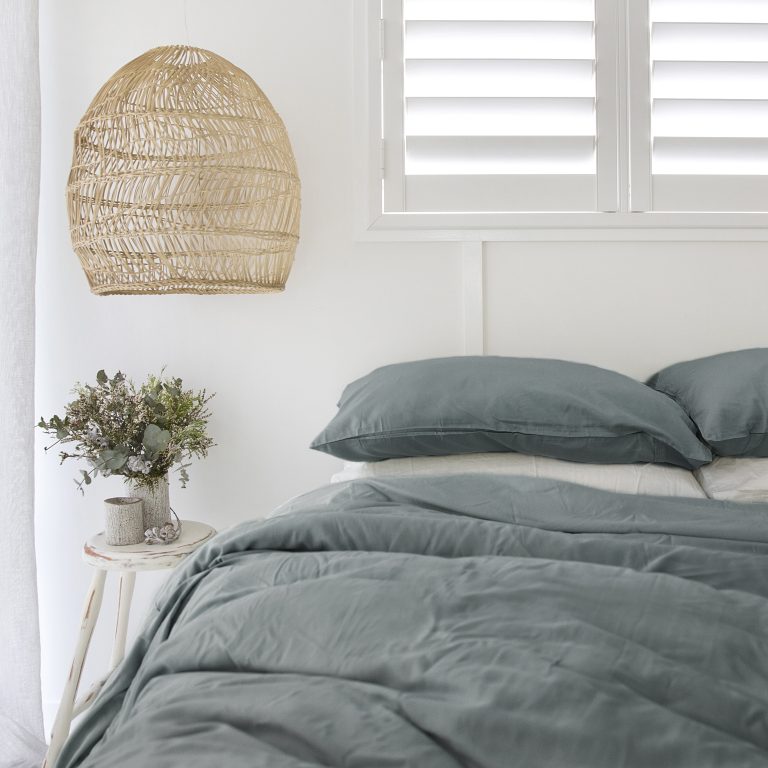
- Pick a colour you’ll relax in. Calm, muted tones — sage, charcoal, terracotta, classic white — suit most bedrooms and hide the everyday better than bright whites alone.
- Buy once, buy well. Quality bamboo sheets soften over the first few washes and hold up for years when you look after them, so the cost per night’s sleep is genuinely low.
You can see the full range of bamboo sheet sets in every Australian size and choose the colour that suits your room.
Set your bed up to sleep cooler
The right sheets do most of the work, but a few small habits stack the odds in your favour on hot nights:
- Pair a breathable sheet set with a lighter quilt through the warmer months, and save the heavier doona for winter.
- Switch your pillowcases to bamboo too — your head and neck shed a surprising amount of heat, and a cool pillow makes a real difference.
- Wash on a gentle, cool cycle and skip high heat in the dryer to keep the fibres soft and breathable. Our bamboo care guide walks through the details.
- Air the bed for a few minutes each morning before you make it, so any moisture from the night can evaporate rather than building up in the mattress.
- Keep the bedroom dark and slightly cool, and give yourself time to wind down — a cool body falls asleep faster than a warm one.

The simplest upgrade for a cooler night
A better night’s sleep usually comes down to what’s against your skin for eight hours. If you run hot, moving to breathable, moisture-wicking bamboo is one of the easiest changes you can make — no fans, no gadgets, no complicated routine, just cooler, calmer sleep. Start with a sheet set in your size, add bamboo pillowcases, and you’ll feel the difference on the very first warm night.
Frequently Asked Questions
Are bamboo sheets good for hot sleepers?
Yes. Bamboo viscose is naturally breathable and moisture-wicking, so it moves heat and sweat away from your body instead of trapping them. It’s also temperature-regulating and feels light and smooth, which is why it’s a popular choice for people who overheat or get night sweats.
Do bamboo sheets keep you warm in winter?
They do. Because bamboo regulates temperature rather than just “cooling”, the same sheets that feel fresh in summer feel cosy in winter. Pairing them with a warmer quilt in the cooler months gives you a comfortable bed year-round.
Are bamboo sheets good for sensitive skin?
Generally, yes. Bamboo viscose is naturally hypoallergenic and very smooth, so it’s gentle on skin that’s prone to irritation or allergies. Our sheets are also OEKO-TEX® certified, meaning they’re tested to be free from harmful chemicals.
How do I keep bamboo sheets soft?
Wash them on a gentle, cool cycle with a mild detergent, avoid fabric softener, and dry on low heat or line-dry in the shade. High heat is the main thing that wears bamboo fibres out, so skipping the hot dryer keeps them soft for years.
What size bamboo sheets do I need?
Match the sheet set to your mattress size — we stock Single through to Super King — and check the fitted sheet’s wall depth against your mattress, especially if it’s a deep, pillow-top or boxed mattress, so the corners stay put overnight.